This blog post was written by: Violescent
Dressage in the spotlight: how to prepare for competitions
Dressage is a competitive equestrian sport and training method focused on developing a horse's flexibility, obedience and strength.
In its most basic stages dressage helps the horse and rider communicate with each other. The goal is calmness, flexibility, confidence, and a strong connection between horse and rider. For many riders, preparing for competition is not just about achieving one perfect ride. It’s about establishing the same harmony at home and then bringing it into the arena. Judges assess dressage on qualities like rhythm, balance, straightness, and how well the horse takes the rider's cues.
What should you be training before competition day?
Start with the basics: rhythm, flexibility, contact, energy, straightness, and, at the higher levels, collection. British Dressage calls these the Scales of Training, and they serve as a clear checklist to see if your horse is truly ready for a test. Knowing your test well in advance is also beneficial.
How to prepare in the days before the show
During your training sessions at home, rehearse the test. However, avoid practicing too much so the horse doesn't lose its freshness. According to FEI guidelines, your warm-up and training should include variety, relaxation, and stretching. They also advise against excessive repetition of the same exercise. Make sure your tack fits properly, and check that your horse is fit, skilled, and healthy before traveling. Your tack must be properly fitted to prevent pain or injury. Horses showing signs of illness, lameness, or other major health issues should not compete.
What happens on competition day?
A dressage competition revolves around a specific test, which cannot be changed or simplified without approval. That’s why good preparation means not only knowing the movements but also the order, the letters, and the transitions between them. In FEI competitions, the practice arena is part of the preparation process. At major events, you will find a 60 by 20 meter practice area and a final ten-minute arena as part of the setup.
The warm-up is where the competition begins
The warm-up period helps both horse and rider prepare mentally and physically for their best performance in the arena. FEI guidelines state this should be done as gently as possible, ensuring the horse's welfare is respected at all times. A good warm-up typically includes stretching, relaxation, and gradual effort instead of continuous repetition. The same FEI guidelines highlight that cooling down after the performance is vital for the horse's well-being.
The smartest competition checklist
Arrive early enough for your horse to settle, walk the arena if allowed, and keep your routine simple. Take one last look at the important details: test memorization, tack, number, and how your horse is feeling. If something seems off, prioritize welfare. The sport relies on horses that are fit, comfortable, and eager.
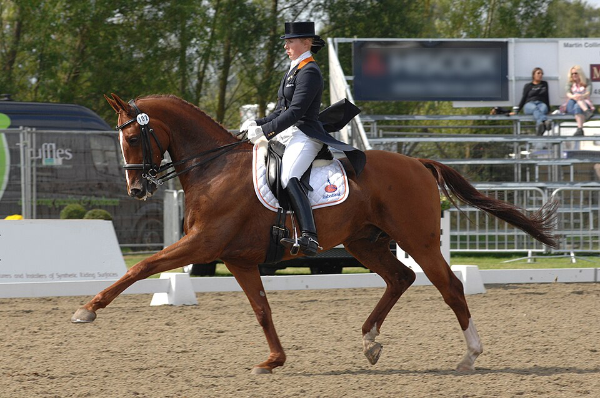 Source: Chefsna, CC BY 2.0, via Wikimedia Commons


 MutedUser
Cinematix
says:
MutedUser
Cinematix
says: