This blog post was written by: HorseloverMargaux
Horse riding is an amazing sport, but safety should always come first. In this blog I give you 10 essential tips that every beginner should know before they start with horse riding. Enjoy reading!
1. Always wear a riding helmet
A riding helmet protects your head if you fall. Head injuries are among the most serious injuries you can sustain while riding, so wearing a good helmet is essential. Always choose a riding helmet that meets the recognised safety standards in your country and replace it after a serious impact. Even if the helmet shows no visible damage, it may be damaged on the inside, so always replace it afterwards.
2. Choose the right footwear
Riding boots with a small heel prevent your foot from slipping too far into the stirrup or becoming trapped. Flat shoes, such as trainers, are unsafe for riding because your foot could get stuck in the stirrup if you fall, and you could be dragged by your horse.
3. Take lessons with a qualified instructor
Taking lessons with a qualified instructor ensures you start with a solid foundation and reduces the risk of accidents. Before you start riding at a particular riding school, why not sit in on a lesson and see if you like the teaching style?
4. Learn how to approach a horse safely
Always approach the horse calmly and avoid sudden movements. When walking behind a horse, make sure you always place your hand on him or speak to him so that he knows you are there. While this is no guarantee that the horse will not kick, it can reduce the likelihood of startling the horse and help prevent accidents.
5. Ride a horse suitable for your level
Riding can be quite nerve-racking at first. As a beginner, you may not yet have mastered the correct posture and seat, and your aids may not always be clear. An experienced, calm horse is therefore ideal for beginners, as it can help build confidence and make learning to ride easier and safer.
6. Learn basic horse body language
Horses ‘talk’ to us all the time. Not with words, though, but with body language. You can learn a lot from their eyes, facial expressions, and the position of their ears. By learning what horses are trying to tell us, many accidents can often be prevented.
7. Check your tack before every ride
Before you mount, check that all the straps are in good condition and that your tack is securely fastened. One important thing to check is the girth. Many horses inflate their bellies when the girth is tightened, which can cause the saddle to slip during mounting. If you're unsure whether everything is fitted correctly, don't hesitate to ask your instructor for help.
8. Keep a safe distance from other horses
Horses are herd animals, but this does not automatically mean that they like to walk close behind one another during a lesson. When riding in a group, always ensure that you maintain a safe distance from the horse in front of you. This gives the horses enough space and prevents the risk of bucking, biting and other accidents.
9. Stay focused while riding
Make sure you have as few distractions as possible while riding. Avoid using your phone or talking to people at the edge of the arena. This will help you stay focused on your horse and your instructor’s instructions, and it will also ensure that you can react more quickly in unexpected situations.
10. Don’t rush your progress
And last but certainly not least, don’t rush your progress. Many accidents in equestrian sports are caused by trying new things too quickly. First, focus on learning the basics properly at the walk and trot. Wait until you’ve built up sufficient experience and confidence before you start cantering or jumping.
In conclusion, horse riding is an amazing sport, and with the right safety habits from the start, it can be both safe and incredibly rewarding. 🐴
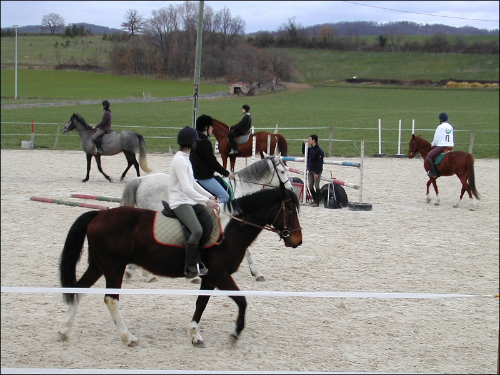 Source:Vcode66, CC BY-SA 3.0, via Wikimedia Commons


 MutedUser
Fire_Rescue
says:
MutedUser
Fire_Rescue
says:
 MutedUser
Jessica0409
says:
MutedUser
Jessica0409
says:
 MutedUser
cooltimedude123
says:
MutedUser
cooltimedude123
says:
 MutedUser
Kate_Storm
says:
MutedUser
Kate_Storm
says: